The Kansai Wide Area Pass earns back its ¥12,000 price fast. Add one long side trip, like Okayama or Kinosaki Onsen, and the math works in your favor. Stick to Osaka, Kyoto, and Nara alone, and you’ll likely lose money on it. I live in Tokyo and ride Kansai’s trains several times a year. I’ve watched travelers at Shin-Osaka Station overpay for passes they didn’t need. This Kansai Wide Area Pass review shows you exactly when it’s worth buying, and which alternative fits your route better.
At a Glance: Kansai Wide Area Pass vs. the Alternatives
Five passes cover the Kansai region in 2026, and each one suits a different kind of trip. Scan this table first, then read the full breakdown below for the one that matches your route.
| Pass | Price (Adult) | Coverage & Validity | Best For |
|---|---|---|---|
| JR Kansai Wide Area Pass | ¥12,000 | 5 consecutive days. JR lines across Kansai plus the Sanyo Shinkansen between Shin-Osaka and Okayama. | One long side trip to Kinosaki Onsen, Amanohashidate, or Okayama |
| Kansai Railway Pass Lite | ¥5,200 (2-day) / ¥6,500 (3-day) | 2 or 3 non-consecutive days, valid April to October 2026. Private railways, subways, and buses. | Dense sightseeing on private lines, not JR |
| ICOCA | Pay-as-you-go | No JR-set expiry. Taps on JR, private rail, subway, and buses nationwide. | Short, occasional rides between city centers |
| JR Kansai Area Pass (3-day) | ¥5,800 | 3 consecutive days. JR lines in the Osaka-Kyoto-Nara-Kobe-Himeji core, plus the Haruka Airport Express. | First-timers sticking to the Golden Route |
| Kansai-Hiroshima Area Pass | ¥17,000 | 5 consecutive days. Everything the Wide Pass covers, plus Hiroshima and Miyajima. | Travelers extending west to Hiroshima |
For scale, the national JR Pass now costs ¥50,000 for 7 days, after the 2023 price hike that nearly doubled it. None of the five options above come close to that. That gap is exactly why regional passes have gotten more popular for Kansai-only trips.
One note from living here: this pass got a new name recently. The Kansai Railway Pass Lite replaced the older Kansai Thru Pass on April 1, 2026. A lot of articles online still describe the old version. Check the publish date before you trust any coverage details.
Every pass on this list except ICOCA is restricted to overseas visitors on a Temporary Visitor stamp. Bring your passport to the exchange counter or ticket machine, since staff check it before handing over the physical pass. Japanese residents and long-term visa holders don’t qualify.
JR Kansai Wide Area Pass
Price: ¥12,000 adult, ¥6,000 child (ages 6 to 11)
Pros
- Covers the Sanyo Shinkansen between Shin-Osaka and Okayama, the only budget regional pass that includes any bullet train.
- Reaches far beyond the usual cities: Kinosaki Onsen, Amanohashidate, Tottori, and even Takamatsu in Shikoku.
- Comes with reserved-seat privileges on limited expresses like Haruka, Kuroshio, and Konotori, so you’re not stuck standing.
Cons
- It’s a physical pass, not a tap-and-go card. You’ll wait in line to exchange your voucher for the real thing.
- The five days must run consecutive. You can’t save one for later in your trip.
- Skip the long side trip, and the math falls apart fast.
Picture this: you land at Kansai Airport and exchange your voucher at the JR ticket office. A couple of days later, you take the Sanyo Shinkansen from Shin-Osaka to Okayama and back for a day trip. That round trip runs about ¥11,220 at regular fare, almost the entire ¥12,000 pass price recovered in a single ride.
Exchange counters get busy right after Haruka Airport Express trains pull in. Arrive mid-morning on a weekday, and you’ll likely wait under five minutes. Show up on a Saturday afternoon during cherry blossom season, and budget closer to twenty.
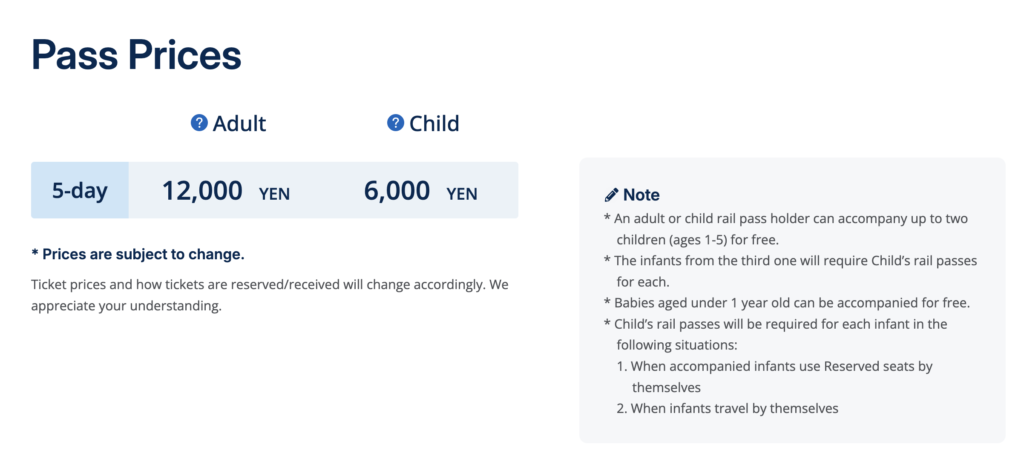
You can buy the pass directly through JR West’s official Kansai WIDE Area Pass page or through a reseller like Klook, which sometimes bundles it with a same-day eSIM offer.
Kansai Railway Pass Lite
Price: ¥5,200 for 2 days, ¥6,500 for 3 days
Pros
- Days don’t need to be consecutive. Use one today, save the second for later in your trip.
- Covers private railways and buses that JR passes ignore entirely, useful for reaching temples off the JR grid.
- Cheaper than the Wide Pass if you’re staying inside the Osaka-Kyoto-Nara triangle.
Cons
- No JR coverage at all. You’ll still need a separate ticket or ICOCA for JR trains.
- The 2026 coverage shrank: Kyoto’s subway lines and the Keihan Railway around Otsu dropped off the map.
- Only valid within a set seasonal window, not year-round.
ICOCA
Price: Pay-as-you-go, loaded with an initial ¥2,000 or more
Pros
- Works everywhere: JR, private rail, subway, buses, even vending machines and convenience stores.
- No math required. Tap in, tap out, and the fare comes off automatically.
- Cheapest option if your trip is mostly short hops, like Osaka to Kyoto for around ¥580.
Cons
- No unlimited-ride savings. Every trip costs full fare.
- Doesn’t cover reserved seats or the Shinkansen on its own.
- Frequent long-distance riders will pay more than any pass would cost.
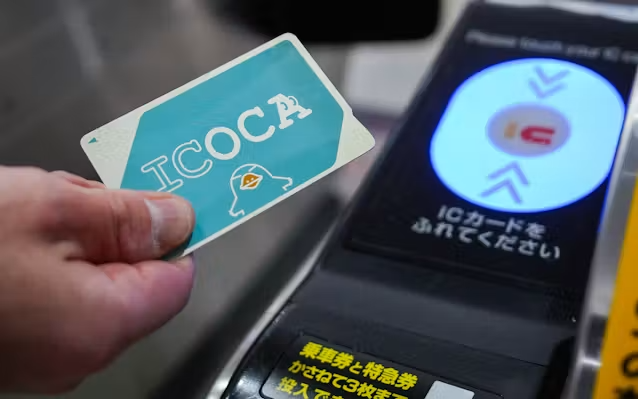
I tap my ICOCA dozens of times a month on Kansai and Kanto lines alike. For a traveler doing one or two city-center days, it beats carrying a pass you’ll barely use. Cards are sold at ticket machines in every major station, with no reservation and no paperwork involved.
JR Kansai Area Pass (3-day)
Price: ¥5,800 adult
Pros
- Covers the Haruka Airport Express from Kansai Airport, worth roughly ¥2,900 one-way on its own.
- Includes Himeji, so a castle day trip fits comfortably into three days. Himeji Castle’s white plaster walls earned it the nickname White Heron Castle, and the climb up rewards you with a clear view over the city rooftops.
- Comes bundled with bonus one-day passes for the Kyoto subway, Keihan line, and Hankyu Kyoto line.
Cons
- No Shinkansen coverage at all, not even the short Shin-Osaka to Okayama hop.
- Three days is tight if you’re also trying to fit in Nara and Kobe.
- Only pays off if you’re genuinely riding JR trains most days.
Kansai-Hiroshima Area Pass
Price: ¥17,000 adult
Pros
- The only regional pass that reaches Hiroshima and Miyajima on the Sanyo Shinkansen.
- Same 5-day structure and Kansai coverage as the Wide Pass, plus a lot more range.
- Genuinely saves money if Hiroshima is already on your itinerary; the round-trip Shinkansen fare alone runs well past ¥17,000.
Cons
- Overkill if Hiroshima isn’t part of your plan. Stick with the cheaper Wide Pass instead.
- Same physical-pass, consecutive-day limitations as its smaller sibling.
- The ¥5,000 price gap over the Wide Pass only makes sense with a genuine Hiroshima leg.
Which One Should You Buy?
Match your itinerary to the pass, not the other way around. Here’s how the five options break down by traveler type.
Planning one big trip beyond the Golden Route? Think Kinosaki Onsen or Okayama. The JR Kansai Wide Area Pass wins here. Add Hiroshima to that list, and the Kansai-Hiroshima Area Pass takes over instead.
Staying centered on Osaka, Kyoto, and Nara for three days, with a Himeji day trip? The JR Kansai Area Pass covers exactly that at under half the Wide Pass price.
Want flexibility across private railways over a longer, slower trip? The Kansai Railway Pass Lite fits well, as long as you check its 2026 coverage map first.
Traveling light, moving fast, or just passing through for a day or two? Skip the passes entirely and load an ICOCA instead. Whichever you pick, run your actual route through a fare calculator before you buy, since the ¥12,000 break-even point moves depending on the season and the specific stations on your list.
FAQ
Is the Kansai Wide Area Pass worth it for a 3-day trip?
Rarely. The pass covers 5 consecutive days at ¥12,000. Three days usually isn’t enough time to fit in the long side trip that makes it pay off. The 3-day JR Kansai Area Pass, at ¥5,800, fits a shorter trip better.
Can I use the Kansai Wide Area Pass on the Tokaido Shinkansen to Tokyo?
No. It only covers the Sanyo Shinkansen between Shin-Osaka and Okayama. Travel to Tokyo needs a separate ticket or the national JR Pass.
Where do I pick up my Kansai Wide Area Pass after buying it online?
Major exchange counters include the Kansai Airport JR ticket office, Shin-Osaka Station, and Kyoto Station. Bring your passport and voucher email; the physical pass gets issued on the spot.