You want to know what’s really popular in Japan before you land. Here’s the short answer. Sakuraco is the most authentic pick for traditional snacks from real regional makers. TokyoTreat gets you closest to an actual konbini shelf. Bokksu wins on presentation, with free shipping and gift-ready packaging. This TokyoTreat Sakuraco Bokksu review breaks down which one is worth it, based on what you’d actually find at a Lawson in Shibuya or a sweet shop in Kyoto, not just what each brand claims on its homepage.
Quick Comparison Table
| TokyoTreat | Sakuraco | Bokksu | |
|---|---|---|---|
| Price/month | $32.50–$37.50 | $32.50–$37.50 | $39.14–$52.50 |
| Snack style | Modern, konbini-style (real shelf items) | Traditional wagashi (specialty-shop only) | Japanese-style packaging (specialty-shop only) |
| Box weight/count | 15–20 full-size snacks | 10–20 items + 1 home good | 20+ items |
| Best for | Travelers who want today’s Japan | Travelers who want centuries-old Japan | Gift-buyers and first-timers |
Prices shift with promotions, so check current rates before you commit. Shipping runs $10.50 to $15 extra on TokyoTreat and Sakuraco. Bokksu folds shipping into the sticker price instead, which makes its checkout total more predictable.
TokyoTreat: The Konbini in a Box
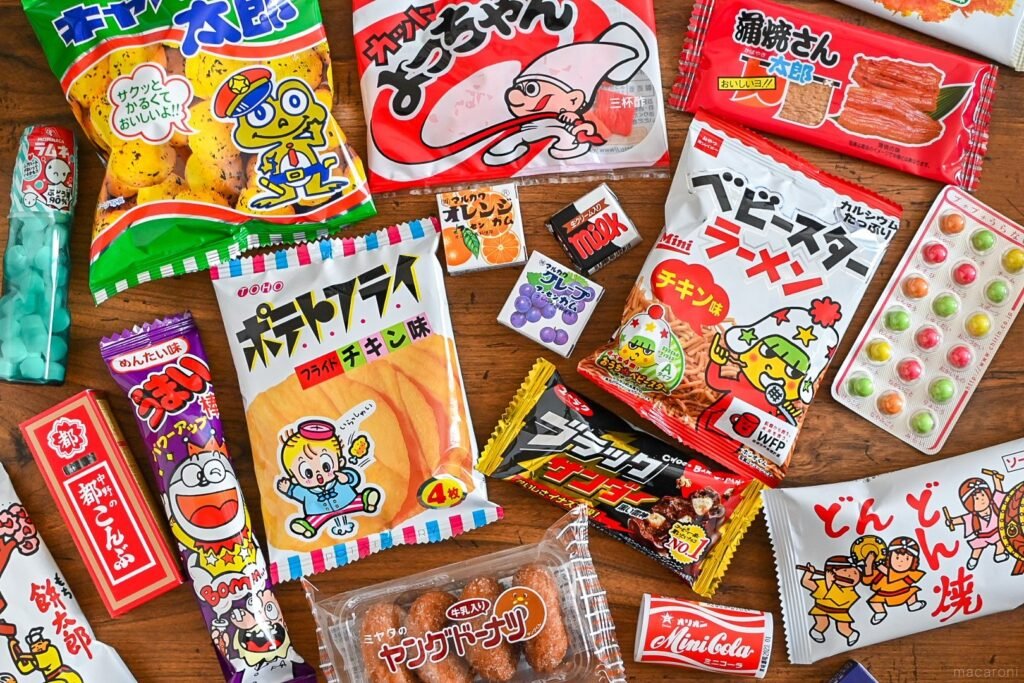
Open a TokyoTreat box and you’ll recognize half the packaging instantly. That’s the point. Last month’s box included a Ramune soda, a pack of Umaibou, and a limited-edition Sakura Kit Kat. You’d see that exact Kit Kat stacked at a 7-Eleven register in April.
This is the one box that holds up to a Japanese person’s own standards. Show it to someone who grew up shopping at these same stores, and they’ll recognize almost everything inside as genuinely popular, not curated for tourists. That’s a rare thing among these three boxes.
Picture this scene. You land in Osaka in three weeks. You’re jet-lagged, wandering into a FamilyMart at midnight. You already know which chip bag to grab, because you tried it in your box two months earlier. That’s the value here. It’s not a museum piece. It’s a rehearsal for your actual trip.
The box itself holds 15 to 20 full-size snacks, not tiny sample packs. You’ll get a mix of savory and sweet, plus a drink tied to the season. Past themes have included a Halloween “Spooktacular Snackin” box and a spring “Sakura Picnic Party” box, both stacked with items you’d genuinely find on shelves that month.
The included guide booklet is worth reading before you toss the box aside. It explains where each snack is sold in Japan, sometimes down to the chain, and gives a rough sense of how long a flavor tends to stick around before it disappears. That detail alone can save you a wasted stop hunting for a snack that’s already off the shelves by the time you land.
Pros:
- Closest match to real konbini shelves right now
- 15 to 20 full-size snacks, not tiny samples
- Cheapest of the three per box before shipping
- Easy to pause before you travel, then restart after
Cons:
- Packaging is playful, not premium
- Snacks skew sweet and mass-market over artisanal
- Shipping adds $12.50 to $15 on top of the box price
Sakuraco: The Real Kyoto Sweet Shop
Sakuraco skips the convenience store entirely. Instead, it ships senbei from a Kyoto workshop that’s been running since the 1960s. You’ll also find matcha castella from Uji and a small ceramic plate or furoshiki cloth tucked in as a keepsake.
Think about the last time you wandered Nishiki Market and stopped at a stall selling handmade yatsuhashi. Sakuraco tries to recreate that exact moment, month after month. The included snack guide names the maker, the town, and the story behind each treat. You’ll know what to look for when you actually walk into that shop in Kyoto next spring.
Each box is themed around a specific region, so one month you’re tasting Hokkaido winter sweets, the next you’re deep in Kyoto’s autumn leaves season. The box arrives smaller than TokyoTreat’s, closer to 10 to 20 items, but every piece feels deliberate. Nothing is filler.
One thing to set your expectations on: you won’t stumble across most of these treats at a regular supermarket or konbini in Japan. They come from small, dedicated wagashi shops, not mass retail. That’s exactly what makes them hard to find on your own, but it also means this box isn’t a preview of your everyday shopping trip.
Pros:
- Real, traceable makers, not generic branding
- Includes a home good worth keeping, like a lacquerware dish
- Snack guide doubles as a mini travel primer
- Genuinely rare finds outside Japan
Cons:
- Smaller box than TokyoTreat, around 10 to 20 items
- Shipping is charged separately, every single box
- Not something you’ll spot at a supermarket or konbini, so it won’t help you shop like a local
Bokksu: The Souvenir-Shop Experience
Bokksu leans hard into presentation. The box arrives heavier than you’d expect, packed tight with 20 or more snacks and a tea pairing. The packaging is noticeably nicer than the other two, right down to the box itself.
Imagine buying a gift set at a Tokyo Station souvenir counter, the kind with a ribbon and a small card explaining each treat inside. Bokksu is built for that exact moment, minus the trip. Free shipping means no surprise total at checkout, which matters if you’re ordering last minute before someone’s birthday.
Long-term subscribers get extra perks too. A 12-month plan has included a kimono-style robe in past years. That kind of touch signals Bokksu wants to feel like a keepsake, not just a snack delivery.
Like Sakuraco, most of what’s inside won’t ring a bell if you’re picturing a Japanese supermarket aisle. The appeal here leans on atmosphere over shelf-matching. The packaging alone, all that gold foil and washi-paper texture, does a lot of the work making the box feel distinctly Japanese, even when the specific snack isn’t something you’d grab at a konbini.
Pros:
- Free shipping on every plan
- Heaviest, most premium packaging of the three
- Long-term subscriber perks, including a kimono-style robe
- Predictable total price with no shipping surprise
Cons:
- Most expensive of the three, especially on short plans
- Some checkout flows default to optional add-on fees
- Not something you’ll spot at a supermarket or konbini either, so treat it as atmosphere, not a shopping preview
What These Snacks Actually Cost at a Real Konbini
Here’s something most reviews skip. A single bag of Calbee potato chips at a Tokyo Lawson typically runs about 150 to 200 yen, roughly a dollar to a dollar thirty five. A Kit Kat mini pack runs close to that same range. A can of Ramune usually sits under 150 yen.
Add up 15 items at those prices and you’re looking at maybe 15 to 20 dollars of actual retail value inside a $37.50 TokyoTreat box. That gap isn’t a scam. It’s covering sourcing, translation guides, customs, and shipping a physical box from Tokyo to your door.
Sakuraco’s math looks different, since regional wagashi and small-batch senbei cost more at the source than mass-market konbini chips. A handmade Kyoto sweet from a decades-old shop can run 300 to 500 yen a piece, so that box’s price gap to retail is smaller than TokyoTreat’s. Bokksu sits somewhere between the two, since its artisan sourcing costs more than konbini shelf items but its curation overlaps with what Sakuraco offers.
None of this means skip the subscription and fly to Japan instead, unless you’re already going. It just means you should know what you’re actually paying for: convenience, curation, and a preview you can’t get any other way from home.
Which One Should You Buy?
If your trip is three months out and you want a preview of what you’ll actually eat at a konbini, get TokyoTreat. You’ll walk into that first Lawson already knowing your order.
If you’re planning a Kyoto or Kanazawa itinerary and care about craft over convenience, get Sakuraco. You’ll recognize the makers when you see their shopfronts in person, and the home goods make solid souvenirs on their own.
If you’re buying this for someone else, or you just want the box to feel like a real gift, get Bokksu. Free shipping means the price you see really is the price you pay.
Still torn between two? Use this shortcut. TokyoTreat for excitement. Sakuraco for authenticity. Bokksu for polish. Pick the word that matches what you actually want from the box, and the decision gets easier.
If you’re a first-time subscriber unsure about committing to a full year, start with a single month on any of the three. All three let you cancel or pause with enough notice, so testing one box before your trip costs you almost nothing beyond the box itself.
Timing matters more than people expect. Order your box six to eight weeks before departure, so the flavors are still fresh in your memory when you land. Order too early and you’ll forget half the names by the time you’re standing in that Lawson aisle.
If you’re traveling with kids, TokyoTreat’s mix of soda, candy, and anime tie-ins tends to land better than Sakuraco’s tea-forward boxes. If you’re traveling solo and building an itinerary around food, Sakuraco’s regional themes double as a shortlist of towns worth visiting for their sweets alone.
FAQ
Is TokyoTreat or Sakuraco more authentic? Both are genuinely authentic, just to different things. TokyoTreat matches what’s stocked at an actual Japanese convenience store this month. Sakuraco matches traditional regional confectionery you’d find in a specialty shop, not a 7-Eleven. Neither one is faking it. They’re just sourcing from different corners of Japan’s food culture.
Is Bokksu worth the higher price? It depends on what you’re actually paying for. You’re covering free shipping, heavier packaging, and a more curated tea pairing with every box. If your budget is tight and snack count matters more than presentation, TokyoTreat gets you more per dollar.
Do these boxes actually reflect what’s popular in Japan right now? TokyoTreat comes closest, since it pulls seasonal and limited-edition items straight from current shelves. Sakuraco and Bokksu lean toward what’s traditionally popular instead of this month’s trend. Treat those two as a culture preview, not a real-time shelf snapshot, and set your expectations accordingly.
Whichever box you pick, keep the guide booklet. Bring it with you on the trip. If it’s TokyoTreat, matching a snack in your carry-on to the same one on a Lawson shelf is a small moment. If it’s Sakuraco or Bokksu, that same moment happens at a specialty shop instead, when you spot the maker’s name from your snack guide on a real storefront. Either way, it’s the kind of thing that makes the box worth it before you’ve even left home.