Last updated: July 2026
Finding the best sake for beginners can feel confusing at first. There are dozens of labels, and most of them are only in Japanese.
I live in Tokyo, and sake bars are part of my regular routine. This guide breaks down the five types that actually matter, without the jargon. It also covers a trap most guides skip: picking by type alone.
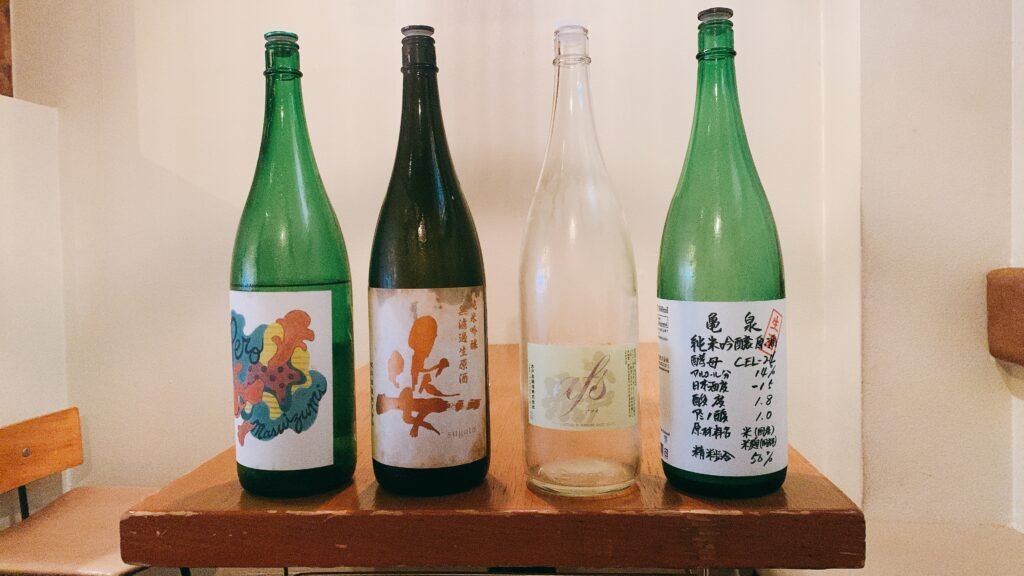
Who This Guide Is Not For
Already comfortable reading polishing ratios and SMV numbers? Then skip ahead to the comparison table below. This guide is for people who find sake shelves intimidating, not for collectors chasing rare bottles.
It’s also not a ranking of hard-to-find, ultra-premium sake. Instead, every bottle mentioned here should be easy to find in the US, UK, Australia, or Canada.
How We Picked These Sake Types
Three things matter for a beginner-friendly bottle. First, flavor should be approachable, not challenging. Second, availability should be wide, not limited to specialty importers. Finally, price should stay reasonable, ideally under $40.
So every type below meets all three.
Sake Types at a Glance
| Type | Flavor | Best For | Price (750ml) |
|---|---|---|---|
| Junmai | Full-bodied, earthy | Food pairing | $18–$35 |
| Junmai Ginjo | Fruity, balanced | Wine lovers | $20–$35 |
| Honjozo | Light, smooth | Easy drinking | $15–$25 |
| Daiginjo | Refined, delicate | Special occasions | $35–$80 |
| Nigori | Sweet, creamy | Sweet tooth | $15–$30 |
Why Type Alone Is a Trap
Most people shop by type, junmai, ginjo, daiginjo, because that’s what the label leads with. It’s a reasonable place to start, but it’s also where beginners get steered wrong.
A daiginjo from one brewery can taste closer to a mellow junmai than to another producer’s daiginjo. The type only tells you how the sake was made, its polishing ratio, whether alcohol was added.
It doesn’t tell you how it will actually taste in your glass. Two bottles can share a label and still taste like completely different drinks.
The Sake Flavor Map: SMV and Acidity
Grades like Junmai and Ginjo tell you how the sake was made. However, they don’t tell you how it actually tastes.
For that, Japanese sake shops use a different tool: a two-axis flavor map. It combines Nihonshu-do, or Sake Meter Value (SMV), with acidity.
SMV measures dryness. A higher, more positive number means drier, while a lower, negative number means sweeter.
Acidity measures body instead. Higher acidity usually means a richer, fuller-bodied sake, and lower acidity means something lighter and cleaner.
Together, the two numbers create four broad styles.
| SMV | Acidity | Style | Japanese Term |
|---|---|---|---|
| High (dry) | Low | Light and dry | Tanrei-karakuchi |
| High (dry) | High | Rich and dry | Nojun-karakuchi |
| Low (sweet) | Low | Light and sweet | Tanrei-amakuchi |
| Low (sweet) | High | Rich and sweet | Nojun-amakuchi |
As a rough guide, an SMV around +5 with acidity near 1.5 tends to taste dry and crisp. In contrast, an SMV around -3 with acidity near 1.2 tends to taste soft and sweet.
Most English-language sake guides skip this chart entirely. But it’s the exact tool used in sake shops across Japan. It splits neatly into two situations: shopping on your own, and ordering with someone’s help.
Buying Online or In a Store: Read the Numbers
If nobody’s around to ask, check the back label or the product description for SMV and acidity. Many specialty retailers and importers now list both alongside the type. Use the chart above to translate the numbers into a style. Don’t rely on the type name alone.
Ordering In Person: Skip the Numbers, Describe the Taste
If you’re at an izakaya or a sake shop with staff nearby, none of this math is necessary. Just describe what you like and let them pick the bottle.
I usually keep it simple: I ask for something karakuchi (dry) and tanrei (light and clean). At a tourist-friendly spot, English works just as well.
Try “something dry, not too sweet” and let the staff match it to a bottle. In fact, I rarely order sake by brand name anymore. Describing the taste I want gets me a better pour than reading a label ever does.
Junmai: The Everyday Starting Point
Junmai is sake made from just rice, water, koji, and yeast. In fact, nothing else is added.
Pros: Full-bodied, food-friendly, and works at any temperature. Cons: Less aromatic than the Ginjo styles. Who it’s for: Anyone planning to drink sake alongside a full meal.
Junmai Ginjo: The Best Sake for Beginners
If you only try one style, make it Junmai Ginjo. It’s the style most guides recommend as the best sake for beginners, and for good reason.
The rice is polished to 60% or less, which gives it a clean, fruity aroma. Look for well-known names like Dassai, Hakkaisan, or Dewazakura.
Pros: Balanced, aromatic, and wine-like. Cons: Slightly pricier than basic Junmai. Who it’s for: Wine drinkers making their first move into sake.
Honjozo: Light and Food-Friendly
Honjozo has a small amount of distilled alcohol added. As a result, the flavor turns out lighter and smoother.
Pros: Very easy to drink, budget-friendly, and flexible to serve. Cons: Less complex than Ginjo or Daiginjo. Who it’s for: First-timers who find other styles too intense.
Daiginjo: Save This One for Later
Daiginjo is the most refined tier, polished to 50% or less. It’s genuinely excellent, but its subtlety can be lost on a first try.
Pros: Exceptional aroma and craftsmanship. Cons: Expensive, and easy to underappreciate as a first bottle. Who it’s for: Anyone who’s already tried a few Junmai Ginjo bottles.
Nigori: If You Prefer Something Sweeter
Nigori is cloudy, unfiltered sake. So it’s sweeter and creamier than the other styles here.
Pros: Approachable, dessert-friendly, and hard to dislike. Cons: Less food-versatile than clearer styles. Who it’s for: Anyone who finds dry sake too sharp.
Match Sake to What You Already Drink
The fastest way to pick a bottle is to think about what you already enjoy. In fact, this trick works better than memorizing grades.
Dry white wine drinkers should start with Junmai Ginjo. If you prefer fuller, malty craft beer, Junmai is the closer match instead.
For a sweeter tooth, go straight to Nigori. It rarely disappoints first-timers.
Common Beginner Mistakes to Avoid
Don’t judge sake by the hot, cheap version served at a casual sushi spot. That’s usually futsushu, everyday table sake, not what this guide is describing.
Also, don’t start with Daiginjo. It’s excellent sake, but its subtlety is easy to miss before you’ve built a baseline.
How to Serve Your First Bottle
Temperature matters more than most people expect. For example, aromatic styles like Junmai Ginjo lose their fragrance if served too warm.
Chill it to around 8 to 10°C, close to a white wine. Serve it in a wine glass instead of a small ceramic cup, so the aroma can actually reach your nose.
Where This Fits Into Your Trip
Tokyo has small, standing sake bars all over the city. Many offer flights of three or four types side by side. That’s the easiest way to compare styles before committing to a bottle.
For the rest of your planning, check out the Japan travel guide 2026. It links out to guides like this one as they go live.
Frequently Asked Questions
What is the best sake for beginners to try first?
Junmai Ginjo is the safest starting point. It’s balanced, fruity, and easy to drink chilled.
Is Junmai or Ginjo better for beginners?
Junmai is more food-friendly and forgiving. Ginjo is more aromatic and delicate, so it’s worth trying second.
How should I store an open bottle of sake?
Keep it in the fridge and drink it within a week. Unlike wine, sake doesn’t improve with age once it’s open.
Final Take
Start with a Junmai Ginjo, serve it cold, and taste it alongside food. From there, the rest of the sake shelf gets a lot less intimidating.